
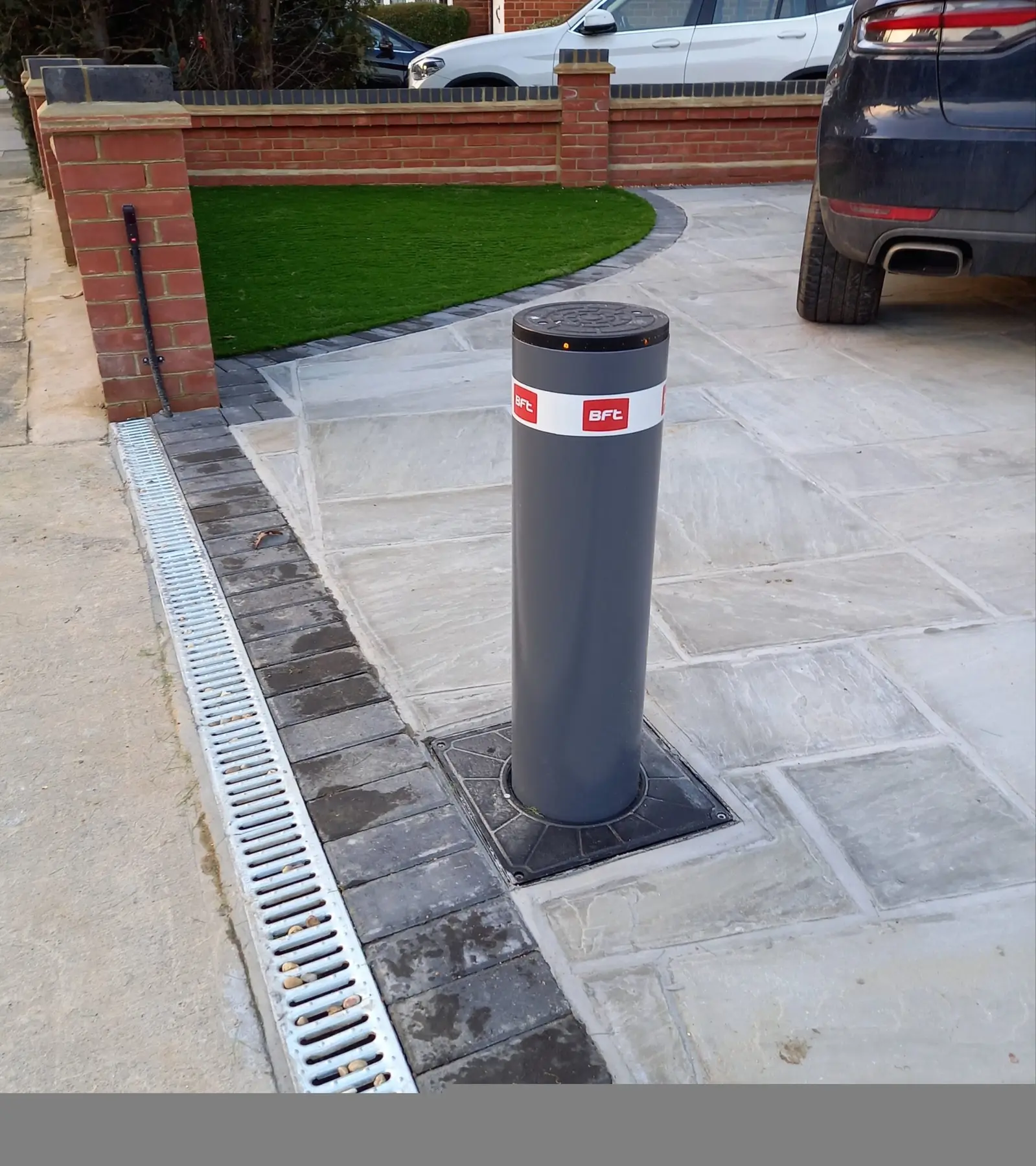
An automatic retractable bollard system installed to provide discreet, reliable vehicle control in Camberwell.
Project overview
Location: Commercial Property · Camberwell
Project type: Automated vehicle control
RJL Commercial Group was engaged to coordinate a solution around the site's access, safety, presentation and day-to-day operating requirements. The work was planned as a complete commercial delivery, with the relevant steelwork, installation details and final site finish managed as one scope.
Scope delivered by RJL
- Automatic retractable bollards
- Control and safety system
- Driveway and access integration
- Commissioning and operator handover
Design and site coordination
Commercial fencing and gate work must fit the real conditions on site. RJL reviewed the available clearances, existing surfaces, pedestrian and vehicle movements, tie-in points and the way the facility needed to remain operational during the works. Components were then coordinated to suit those conditions before final installation.
Installation in an operating environment
The site works were sequenced to maintain safe separation between the RJL work zone and the people using the property. Set-out, post installation, steelwork alignment and final fit-off were completed with attention to both long-term performance and the presentation of the finished asset.
The result
The completed project provides a durable, site-specific commercial solution with a consistent finish and clearly managed access. It reflects RJL's ability to take responsibility from planning and fabrication through to installation, commissioning and handover.
Planning a similar project?
RJL delivers commercial fencing, automated gates, access control, custom fabrication and perimeter-security works across Victoria. Contact the team to arrange a site assessment and discuss a solution for your facility.
 Chris Alebakis Named Industry Legend at the 2025 Australian Fencing Awards
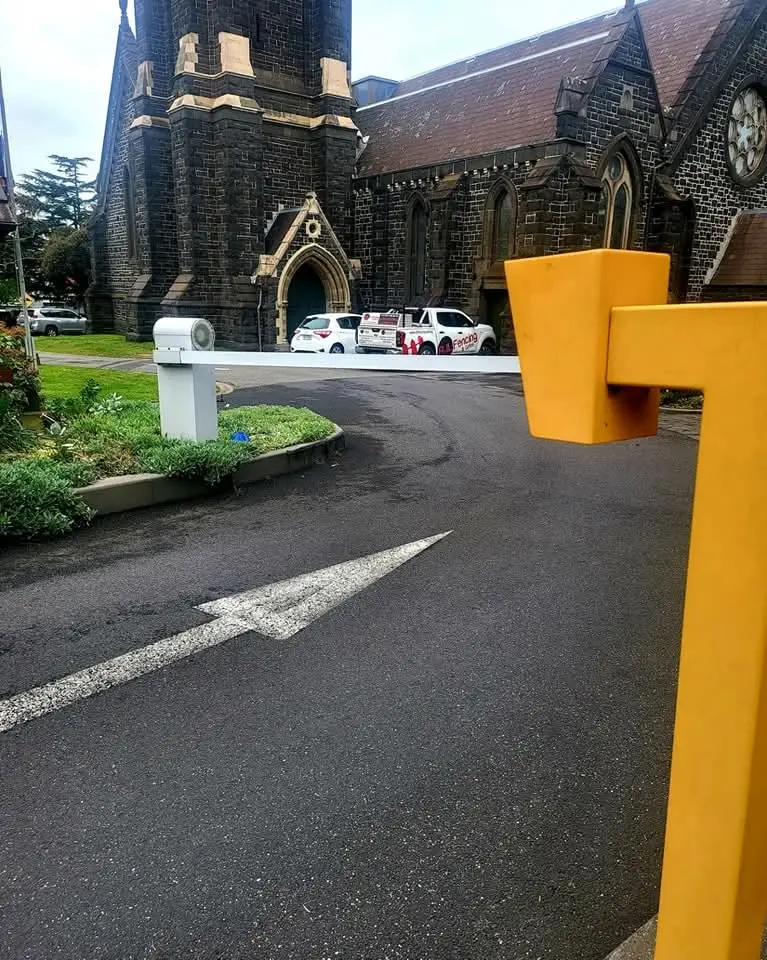 Toorak College: Boom gate & access control case study
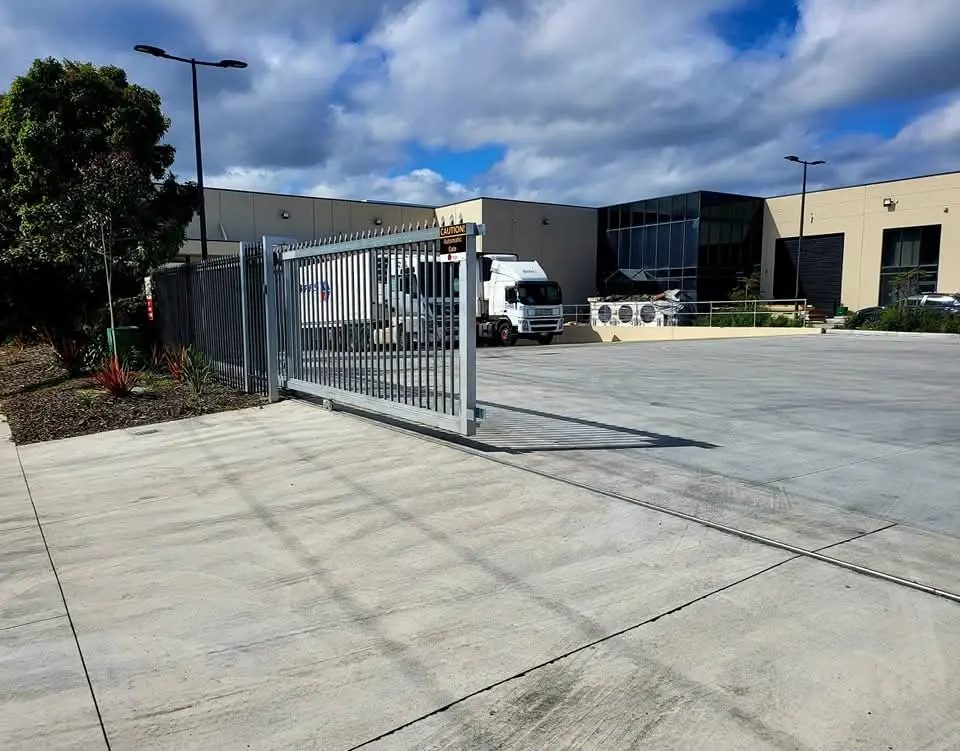 Jalna Dairy Foods: Industrial sliding gate & fencing case study